
Speed is not a personality test.
Quick, standard, and pro are three reasons to spend care. They sit on the Query as profiles. They show up in public Asks as different @promptha routes. They do not replace the command.
The conversation after this essay is one dish, then two clips. Same accepted still. A quick drift. A slower, more careful one. That is a speed comparison. It is not a brand war.
Quick is a draft of the move
You do not know if the bowl should drift or hold. You do not know if six seconds is enough. Quick exists so you can find out without treating every try like a final.
First accept the still. A clip from nothing will invent a different kitchen.
Design a photorealistic restaurant dish hero of sesame noodles in a ceramic bowl with herbs, window light, and a linen table. No readable text or logos.
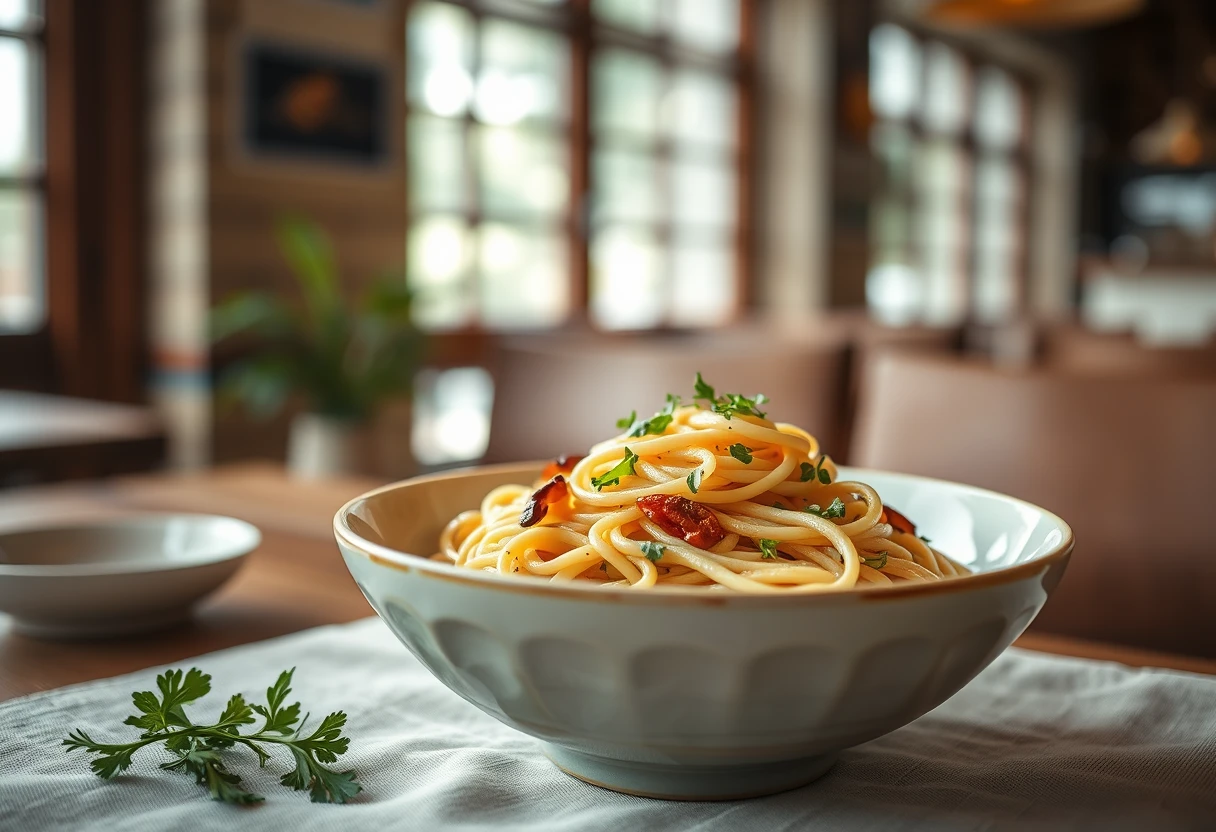
Then a short, cheap move:
A quick drift across the accepted dish. No overlays or readable text.
@promptha.hailuo-2.3 is a quick motion route. Six seconds. One drift. You are asking whether the shot exists, not whether it is the film.
If the still is also a draft, keep the image route quick too. @promptha.gpt-image-1.5 is that lane on many still families. How to pick a @promptha model is the selection essay.
Standard is the day’s work
Standard is the route you use when the job is real and the subject is already honest. Not a sketch. Not a hero you will stare at for a week.
On motion, a standard route looks like @promptha.seedance-2.0. On some still jobs it looks like @promptha.flux-pro or @promptha.seedream-4.5, depending on the family. You do not need to memorize the directory. You need to know you are no longer drafting.
Use standard when you would show the file to someone else today. Keep $duration and $aspect explicit. Keep @out: on the accepted still. How to ask for video without getting a still.
Pro is when the subject has to stay the subject
Faces. Products. A child in a coat. A dish that has to look like the plate you serve. Pro is more care on the same job.
Slow, directed drift across the same accepted dish. No overlays or readable text.
Same @out:dish-hero. Longer. Slower. A pro motion route. The bowl should still be the bowl.
Pro will not turn a random camera into a directed one. If the prompt is “cinematic,” pro will give you a more expensive accident. Direct the move first — Vertical clips that look directed, not random — then step up.
Pro will not turn /image into /video. It will not turn a hero into a logo. It will not put honest hours on a flyer. Those are other commands.
How to step up without starting over
The cheap team regenerates from scratch every time they change lanes. The object drifts. The comparison becomes meaningless.
The honest team attaches the file they already accepted:
- Draft on quick.
- Keep the still if the still is good.
- Ask again with
@out:and a higher route. - Change one clause: duration, camera, care. Not the whole poem.
Public aliases stay @promptha.*. Do not name the transport. Do not write vendor bake-offs. The live directory is /models. The school page is AskGL models.
If a route already worked for this job, save the Query. Browse Queries instead of folklore.
The rest of the language is in What AskGL is. The map is the command list.
Then open Ask. Draft the move. If the subject has to stay, step up. Speed is a reason, not a personality.
Frequently asked questions
Is pro always better?
No. Pro is more care, not a different job. If the command is wrong, pro will polish the wrong file.
Can I skip quick?
Yes, if you already trust the still and the move. Quick is for drafts. Do not spend pro on a camera you have not directed.
Do speeds have public names?
The speeds are quick, standard, and pro. The public model strings are @promptha aliases on those lanes. Do not name the transport.

